


Many people struggle with stubborn fat deposits that resist diet and exercise, often leaving them frustrated despite a healthy lifestyle. Liposuction is a surgical solution that targets these areas precisely, sculpting the body to enhance natural contours and proportions. At Refine, MD Northwest in Bellevue and Kirkland, Washington, liposuction is performed with personalized care and advanced techniques to help patients achieve their aesthetic goals safely and effectively.
Non-surgical alternatives such as CoolSculpting, SculpSure, and Kybella exist, but they work differently and produce varying results. While non-surgical methods can help reduce small areas of fat, they cannot achieve the same uniform, predictable, and long-lasting results as surgical liposuction. Understanding these differences allows patients to make informed choices that align with their body goals, expectations, and lifestyle, ensuring satisfaction and confidence in their transformation.
What Is Liposuction and Who Should Consider It?
Liposuction is a surgical procedure designed to remove excess fat from targeted areas, reshaping the body for a more proportionate silhouette. Ideal candidates are individuals with localized fat deposits that remain resistant to diet and exercise. Common areas treated include the abdomen, waist, thighs, hips, back, arms, chin, and neck. Each area is approached with precision to maintain natural-looking results while improving overall body contours.
Patients considering liposuction should be in good overall health, have realistic expectations, and understand the recovery process. A consultation allows evaluation of anatomy, discussion of goals, and review of personalized options. Proper selection ensures safety, effective results, and satisfaction. Liposuction is not a weight-loss solution but a method to refine stubborn areas for lasting contour improvements.
Understanding Liposuction Techniques
Liposuction can be performed using several techniques tailored to individual needs. Tumescent liposuction is the most common method and uses a saline solution to loosen fat for easier removal. Ultrasound-Assisted Liposuction (UAL) applies sound waves to break down fat, making it effective for denser areas. Laser-Assisted Liposuction, often called Smart Lipo, liquefies fat using laser energy, allowing for precise sculpting and mild skin tightening. VASER Lipo also uses ultrasound technology to target fat while preserving surrounding tissue, which may reduce bruising and support recovery.
Each technique is selected based on body type, treatment area, and desired outcome. Dr. McIntosh evaluates which approach offers the safest, most effective, and natural-looking results. Educating patients about these methods supports informed decisions and realistic expectations, while clearly distinguishing surgical liposuction from non-surgical fat reduction options.
Debunking Common Liposuction Myths
Many misconceptions exist about liposuction. It is often thought to be a quick fix for weight loss; however, it is intended for body contouring rather than overall slimming. Another myth is that laser or VASER techniques are “non-invasive,” when in reality, all liposuction procedures are surgical and involve incisions. Recovery and aftercare are essential to achieving smooth results.
Liposuction is sometimes compared to non-surgical fat-reduction treatments, but surgery provides more dramatic and permanent results. Patients should be cautious of unrealistic marketing claims. Proper education and consultation clarify expectations and limitations. By understanding what liposuction truly entails, patients can make choices that align with their body goals while avoiding disappointment or misconceptions.
Comparing Surgical and Non-Surgical Options
Non-surgical treatments, like CoolSculpting, SculpSure, and Kybella, offer fat reduction without incisions or anesthesia. These procedures use freezing, laser, or injections to reduce small pockets of fat over time, making them less invasive but also less dramatic in effect. They are ideal for patients with minor stubborn areas but may not achieve comprehensive contouring.
In contrast, surgical liposuction removes larger volumes of fat in a single procedure, allowing precise shaping of multiple areas. At Refine, MD Northwest, patients receive guidance to determine the method that best fits their goals. Understanding the differences between surgical and non-surgical approaches helps patients make realistic decisions and choose treatments that deliver meaningful, long-term body contour improvements.
Preparing for Liposuction Surgery
Preparation is critical for a successful liposuction procedure. Patients will undergo a detailed consultation and physical evaluation, including reviewing medical history, medications, and any risk factors. Pre-operative instructions may include adjusting medications, fasting guidelines, and arranging post-surgery care. Proper preparation reduces complications and supports a smoother recovery.
Dr. McIntosh and his team at Refine, MD Northwest work closely with each patient to explain the surgical plan, expected outcomes, and recovery timeline. Clear communication ensures that patients feel informed, confident, and comfortable prior to surgery. Understanding the importance of preparation, along with following all instructions, allows for a safer experience and optimal results. Patients who are well-prepared experience smoother procedures, quicker healing, and greater satisfaction with their final body contours.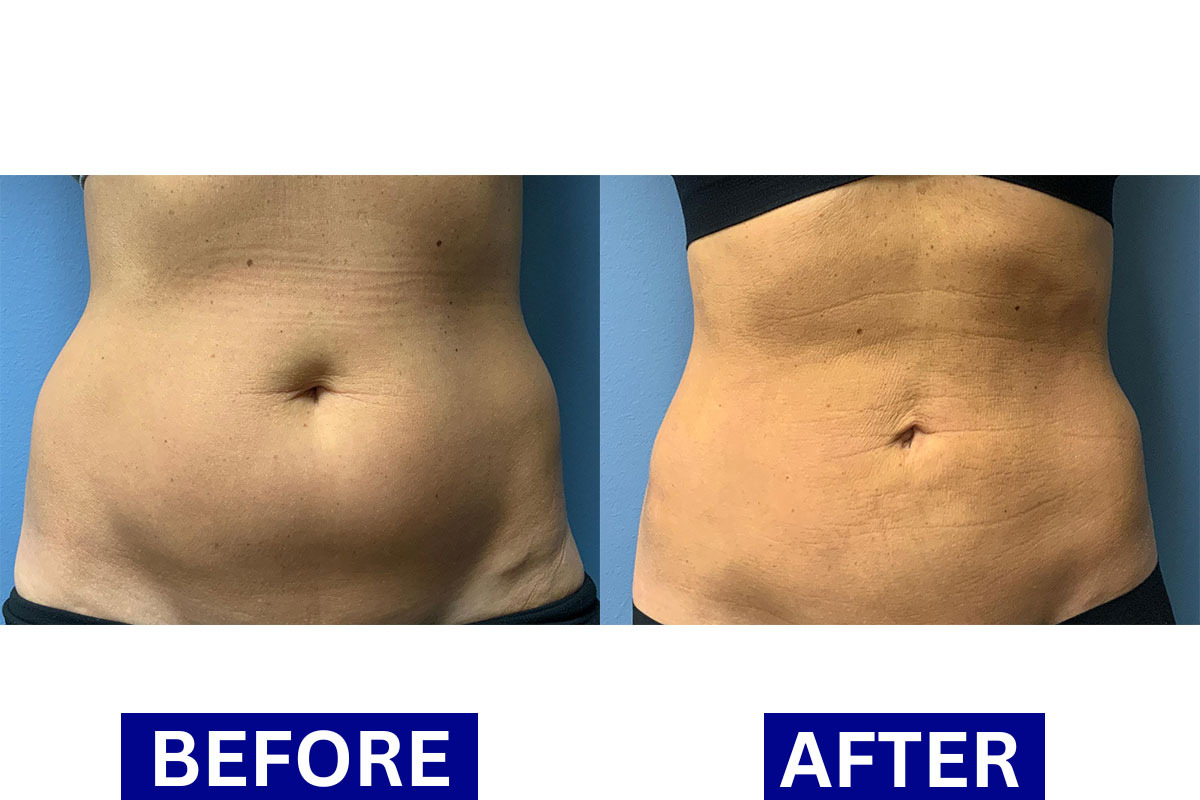
The Liposuction Procedure Step by Step
During liposuction, small incisions are made in targeted areas to allow insertion of a cannula, which gently removes excess fat. The procedure is typically performed under general anesthesia or local anesthesia with sedation, depending on the treated areas. The surgeon carefully sculpts the body to ensure smooth contours and natural proportions. Duration varies, usually lasting one to three hours, depending on the complexity and number of areas treated.
Fat removal is precise, preserving surrounding tissues to minimize trauma, bruising, and swelling. After the procedure, incisions are closed with sutures and treated with specialized dressings. Patients leave with detailed post-operative instructions to care for the incisions, manage discomfort, and support proper healing, ensuring long-lasting and visually pleasing results.
Post-Operative Care and Recovery
Recovery after liposuction requires careful attention to healing guidelines. Most patients return to light activities within one week, while full activity resumes between two and four weeks, depending on the extent of treatment. Swelling, bruising, and tenderness are normal and gradually improve. Wearing compression garments helps reduce swelling and promotes smoother results.
Detailed instructions are provided for incision care, pain management, and activity restrictions to ensure optimal recovery. Following these guidelines helps minimize complications and supports long-term satisfaction. Patients are encouraged to maintain a healthy lifestyle and attend follow-up visits to monitor progress. Proper recovery maximizes the aesthetic benefits and ensures that the body’s contours remain refined and natural over time.
Benefits and Expected Outcome
Liposuction offers precise fat reduction in targeted areas, enhancing body contours and achieving a proportionate silhouette. Patients often experience improved clothing fit, confidence, and body satisfaction after surgery. Unlike non-surgical alternatives, surgical liposuction delivers immediate and more dramatic results with long-lasting effects when combined with a healthy lifestyle.
At Refine, MD Northwest, each procedure is tailored to individual anatomy and goals, allowing for natural-looking results. By removing resistant fat and sculpting curves, patients achieve a balanced, youthful appearance. Proper planning, technique, and recovery guidance ensure that results are safe, predictable, and visually harmonious, helping patients feel confident in their bodies and satisfied with the outcome.
Making the Right Choice for Your Body
Choosing between surgical liposuction and non-surgical fat-reduction options depends on personal goals, anatomy, and desired results. Liposuction remains the gold standard for comprehensive contouring, while non-surgical alternatives may suit minor adjustments or maintenance. Patients should consider fat removal, recovery time, and longevity of results when deciding.
A consultation at Refine, MD Northwest allows individuals to discuss their goals, evaluate anatomy, and review suitable options. Educating patients about the differences between techniques empowers them to make confident, informed decisions. The right choice balances safety, effectiveness, and realistic expectations, ensuring a satisfying transformation that enhances appearance and confidence.
For more information about liposuction, contact Refine, MD Northwest at 425-654-2409. Dr. Bryan McIntosh can offer the guidance you need to receive a customized treatment. You can also fill out the online contact form, and we will get in touch with you soon!